Choosing the Right Water Heater for Your Dallas Home
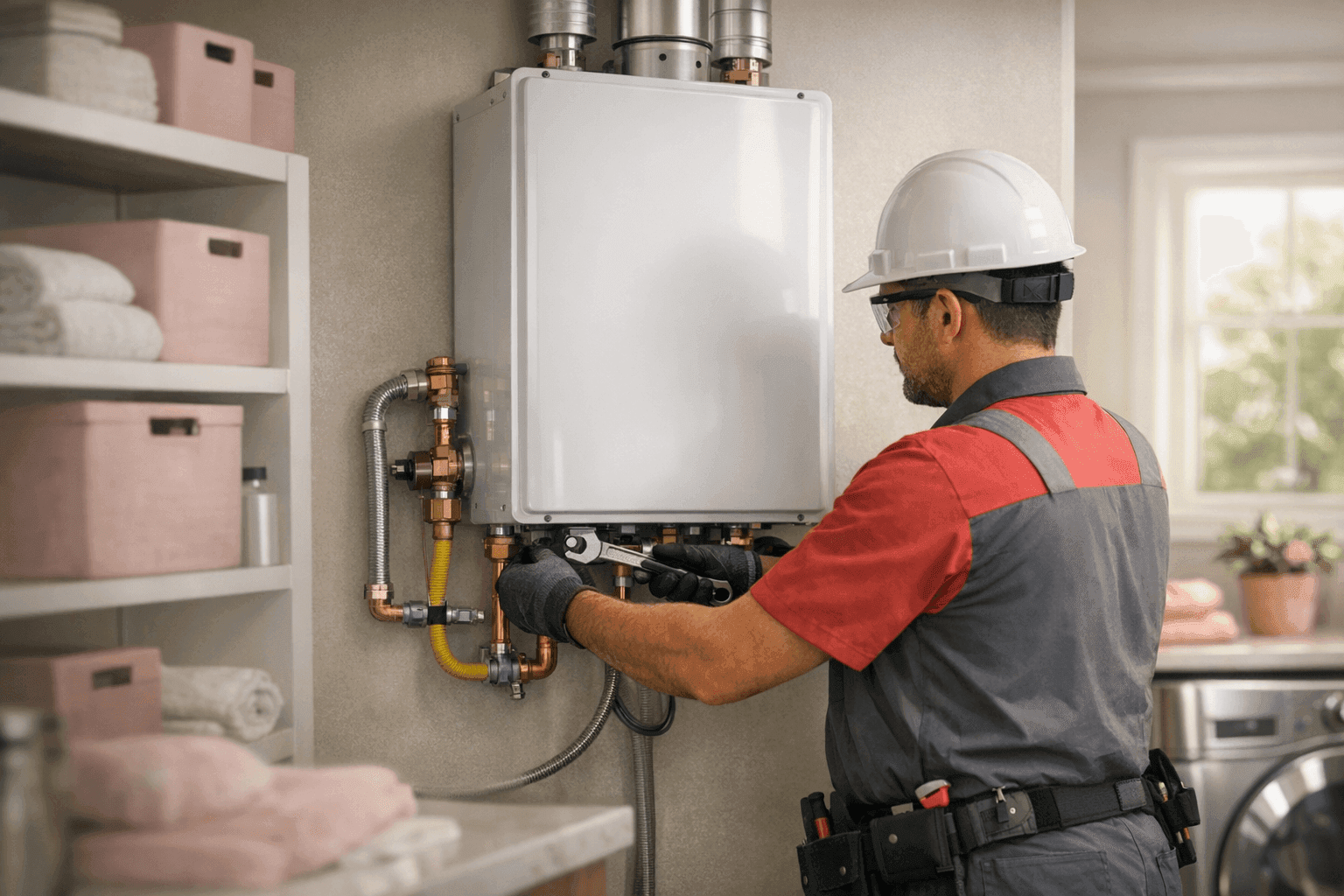
Is your hot shower suddenly lukewarm? Maybe your old water heater is on its last breath, leaving you with icy mornings and frustrated family members. In Dallas, where summer heat and winter chills both put unique demands on your plumbing, choosing the right water heater isn’t just about comfort—it’s about keeping your home running smoothly year-round.
At Escobar Plumbing, we’ve helped hundreds of Dallas homeowners navigate this important decision. Let’s break it down, step by step, so you pick a system that fits your needs, your budget, and the quirks of Texas water.
Types of Water Heaters for Dallas Homes 🛁
Dallas homes aren’t all built the same. Some need a workhorse tank system; others thrive with tankless tech. Here’s what’s on the menu:
- Conventional Storage (Tank) Water Heaters: These are the classic models—big tanks that keep water hot and ready, day or night.
- Tankless (On-Demand) Water Heaters: Compact units that heat water as you need it. No more running out mid-shower.
- Heat Pump Water Heaters: These use electricity to pull heat from the air or ground. They’re efficient, but need space and specific conditions.
- Gas vs. Electric: Both tank and tankless systems come in gas or electric versions. Your home’s hookups and energy costs will steer your choice.
Energy Efficiency in Dallas
With energy prices always climbing, efficiency matters. Tankless units often win the race, since they only heat water when you turn on the tap. Heat pump models can be even thriftier—using less than half the energy of standard electrics, according to the U.S. Department of Energy.
But don’t overlook standby losses. Traditional tanks constantly maintain hot water, even when you’re away. Over time, those extra dollars add up.
Local Water Quality Considerations
Dallas water is hard—packed with minerals that can clog pipes and shorten appliance life. If you’re in an area with especially hard water, a tankless system may need more frequent maintenance. Consider pairing your new heater with a water filtration system to cut down on scale and extend your investment.
Warranty and Longevity Factors
Not all heaters are built (or backed) the same. Look for models with solid warranties—often 6 to 12 years. Some brands offer longer tank warranties, but be sure to check what’s covered: parts, labor, or both. The right model can last a decade or more with proper maintenance.
Pros and Cons: Tankless vs. Traditional
How do you choose between a tankless and traditional water heater? It’s a bit like picking between a sports car and a family minivan—both get you there, but in very different ways.
Tankless Water Heaters:
- Pros: Endless hot water, space-saving, lower energy use, longer lifespan.
- Cons: Higher upfront cost, may require upgrades to gas lines or electrical, can lag with multiple showers running at once.
Traditional Tank Water Heaters:
- Pros: Lower initial cost, simple installation, reliable for simultaneous demands.
- Cons: Standby energy loss, bigger footprint, limited hot water supply.
Tip: If you have a large family or love long, back-to-back showers, a traditional tank might be your best bet. If you want to save space and energy—and don’t mind investing more up front—tankless could be the way forward.
How to Size Your Water Heater
Getting the right size is crucial. Too small, and you’ll run out of hot water. Too big, and you’ve wasted money and space.
Sizing for Your Household
- Tank Systems: For a typical Dallas family (3–4 people), a 40–50 gallon tank usually suffices. Add 10 gallons per extra person.
- Tankless Systems: These are sized by flow rate (gallons per minute, or GPM). Figure out how many fixtures you’ll use at once—shower + dishwasher + washing machine, for example. Add up their flow rates for your target GPM.
Energy Efficiency and Sizing
Larger tanks or higher GPM units use more energy. Don’t oversize “just in case”—it’s like buying a pickup when you only haul groceries.
Local Codes and Safety
Dallas building codes specify certain requirements for venting, placement, and seismic strapping. Always check with a licensed plumber and reference local guidelines, like those from the City of Dallas and the Texas State Board of Plumbing Examiners.
What to Expect During Installation 🚚
So you’ve picked your system. What happens next?
- Assessment: Your plumber will inspect existing connections, venting, and access.
- Prep: Power and water are safely shut off. Old units are drained and removed.
- Install: New units are placed, connected, and tested. For tankless or heat pump systems, extra electrical or gas work may be needed.
- Inspection: All connections are checked for leaks and code compliance.
- Cleanup: The work area should be left tidy—no surprises under the sink.
Timeline and Disruption
Most standard replacements take half a day. Complicated retrofits (like switching from tank to tankless) can run longer, especially if new pipes or electrical lines are needed.
Warranty Registration and Follow-Up
Don’t forget to register your new heater for warranty coverage. Keep all paperwork handy for future water heater repair needs.
Practical Tips for Dallas Homeowners
- Flush your tank heater annually to minimize sediment build-up.
- Set water temperature to 120°F—hot enough for comfort, but safe for kids and pipes.
- Install a leak detector, especially if your heater is in the attic or closet.
- Watch for rust, puddles, or strange noises—these are early warning signs.
Related Water Heater Services
If your current heater is acting up, check out our water heater repair service page for help with leaks, odd noises, or inconsistent hot water.
Call to Action
Choosing the right water heater is a big decision—but you don’t have to go it alone. Escobar Plumbing is proud to serve Dallas homes with honest advice and quality installation. Want a system that fits your family and your Texas lifestyle?
Call Escobar Plumbing now — or reach us anytime at (877) 704-4157 .