Dallas Homeowner’s Guide to Preventing Costly Winter Pipe Bursts
When a cold snap sweeps through Dallas, even the toughest Texas homes can feel the freeze. You’re not alone if you worry about waking up to icy floors—or worse, a flooded bathroom. At Escobar Plumbing, we’ve seen firsthand how unprepared pipes can turn a peaceful winter night into a costly emergency.
Let’s keep your home dry and stress-free this season. Here’s what every Dallas homeowner should know to outsmart winter’s pipe-bursting tricks and avoid the mess, hassle, and expense that follow.
Why Dallas Homes Face Winter Pipe Risks 🧊
Dallas weather is unpredictable. One day it’s sunny, the next it’s freezing rain. Unlike homes up north, many Dallas houses aren’t built with harsh winters in mind. Pipes might run through uninsulated walls, attics, or crawlspaces. When the temperature drops suddenly, water inside these pipes can freeze, expand, and—if you’re unlucky—crack the pipe wide open.
Some older homes have galvanized or copper pipes that are even more at risk. Newer builds might use PEX or CPVC, but they’re not immune if exposed. No matter the age or style of your house, Dallas’s rapid weather changes mean pipe bursts are a real threat.
Essential Steps for Pipe Protection
Taking action before a freeze hits can save you thousands. Here’s a quick-hit checklist to safeguard your pipes:
- Insulate exposed pipes: Focus on attics, garages, crawlspaces, and exterior walls.
- Disconnect garden hoses: Remove and drain all hoses; shut off outdoor spigots.
- Drip your faucets: Let cold water trickle from faucets connected to vulnerable pipes.
- Open cabinet doors: Allow warm air to circulate around sinks, especially on exterior walls.
- Seal leaks and drafts: Use caulk or foam to close gaps near pipes, especially where they enter your home.
- Know your main shutoff: Locate it now—don’t wait for a crisis.
Pipe Insulation Checklist
- Foam pipe sleeves (at least ⅜” thick)
- Duct or heat tape for extra protection
- Weatherstripping for doors/windows in utility rooms
- Pre-slit insulation for easy DIY application
When to Insulate and How
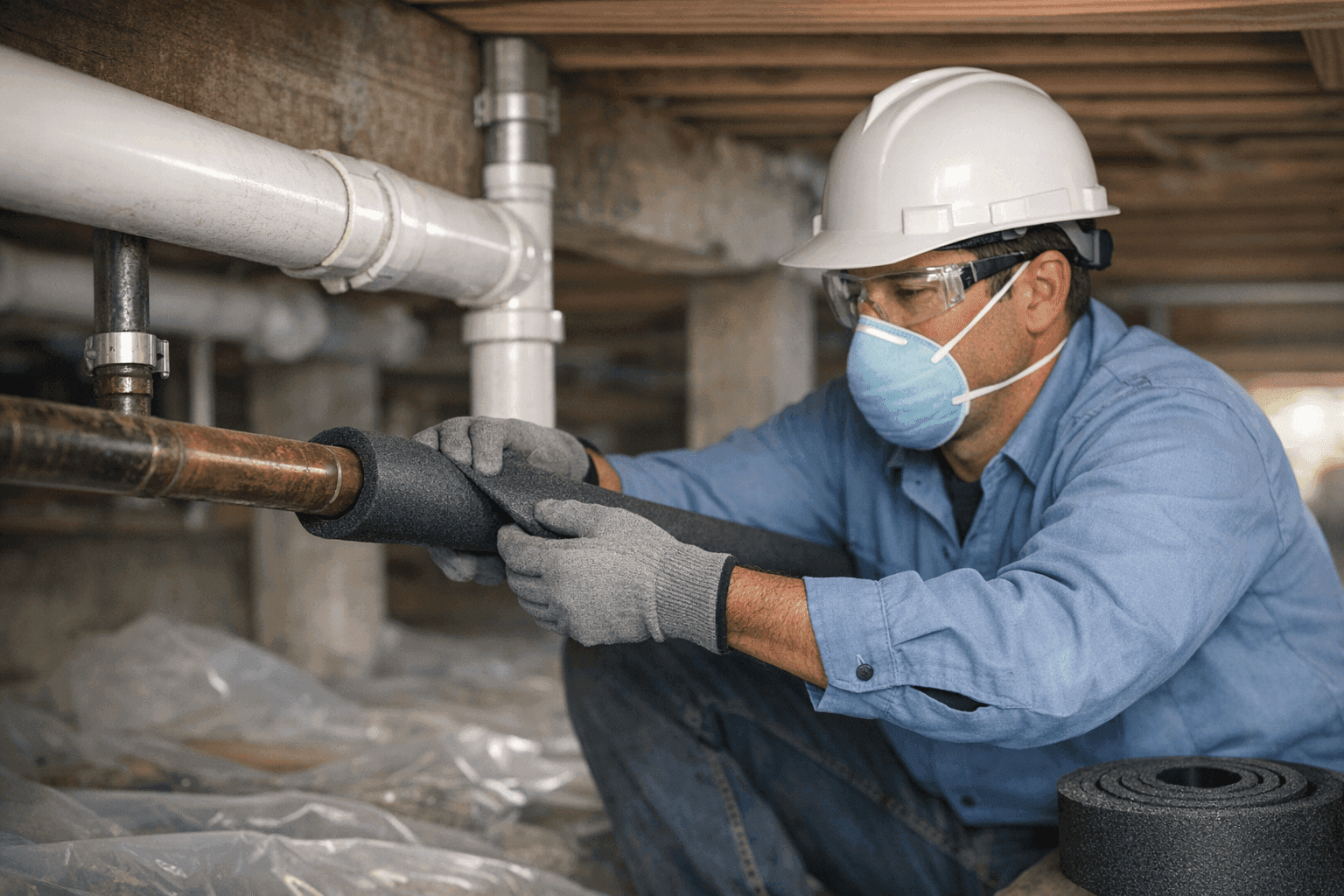
Think of insulation as a winter coat for your plumbing. If you have pipes running through any unheated space, they need it. The best time to add insulation is before temperatures dip below 32°F—but it’s never too late to make improvements.
How to do it:
- Measure pipe lengths and diameter.
- Cut foam sleeves to size.
- Fit snugly around the pipe, sealing seams with tape if needed.
- For added security, wrap heat tape (UL-listed) on pipes most at risk, following the instructions carefully.
- Don’t forget outdoor spigots—cover with insulated faucet covers.
Tip: Focus on pipes near exterior walls, under kitchen/bathroom sinks, and in uninsulated garages or crawlspaces.
Outdoor Plumbing: Extra Tips
Outdoor fixtures are winter’s favorite targets. Here’s how to keep them safe:
- Remove hoses and store indoors.
- Shut off and drain exterior water lines if you have a separate valve.
- Install insulated covers on faucets.
- For irrigation systems, professional winterization is best—blow out lines to prevent damage.
What to Do If a Pipe Freezes
You wake up and your faucet won’t run. Don’t panic. Act quickly:
- Turn off the water supply to the affected pipe if you see a leak or bulging.
- Open the faucet so steam and melting ice can escape.
- Apply gentle heat—use a hair dryer, heating pad, or warm towels. Never use an open flame.
- Check for cracks as the pipe thaws. If you spot one, shut off your main water and call a plumber.
Signs of Trouble After a Freeze
- Lower water pressure or no water from certain taps
- Damp drywall, ceiling spots, or puddles under sinks
- Hissing or dripping sounds in walls or floors
- Unusual odors from drains or basements
If you notice any of these, it’s time to reach out for Pipe Repair in Dallas, TX.
Preventative Maintenance: Small Steps, Big Savings
Routine plumbing maintenance is like changing the oil in your car. It keeps things running, spots small issues before they snowball, and saves money long-term. Escobar Plumbing recommends:
- Annual plumbing inspections, especially before winter.
- Checking insulation and replacing worn pipe wraps.
- Testing your main shutoff valve.
- Clearing slow drains to prevent winter backups.
- Scheduling backflow testing for added safety.
For more on keeping your whole system in shape, see our Preventative Maintenance service.
When to Call a Pro: Emergencies and Beyond 🚨
Sometimes, DIY just isn’t enough. Call Escobar Plumbing if:
- A pipe bursts and water is pouring out.
- You can’t locate a frozen section.
- You spot water stains or bulges in walls/floors.
- There’s no water at all, or a sudden drop in pressure throughout your home.
We handle emergencies 24/7, so you’re never alone in a crisis. Remember: The sooner you act, the less damage (and cost) you’ll face.
FAQ: Dallas Winter Pipe Protection
Q: Are all pipes at risk of freezing in Dallas?
A: Not all, but any that run through unheated spaces or exterior walls are more likely to freeze.
Q: Should I leave my heat on when I travel in winter?
A: Yes. Set your thermostat no lower than 55°F, even if you’re gone for a few days.
Q: Is pipe insulation a one-time fix?
A: Insulation can wear out or be damaged by pests, so check it every year.
Q: How much water should I drip from faucets during a freeze?
A: A slow, steady drip is enough. Too much wastes water; too little may not protect the pipe.
Local/Seasonal Considerations for Dallas Homeowners
Dallas homes face unique winter challenges. Many houses here have plumbing routed through attics or garage walls—places that chill fast. Sudden cold snaps, like those in February 2021, caught thousands off guard. Local codes (per the Dallas Plumbing Code) recommend insulating pipes exposed to exterior conditions.
Older neighborhoods (Oak Cliff, Lakewood, East Dallas) often have legacy plumbing vulnerable to freezes, while newer suburbs may still cut corners on insulation. That’s why local experience matters. Escobar Plumbing knows Dallas weather patterns, housing stock, and the quirks of Texas winters.
Related Services
Don’t wait for a burst to turn your winter upside down. Call Escobar Plumbing now — or reach us anytime at (877) 704-4157 .